Joan de la Casa's philosophy is to break away from "modern, industrialised" viticulture, whose goal is maximum grape yield through systematic use of agrochemical treatments.
Our main premise is to care for the land and the vineyards in a way that builds an ecosystem where the vines find their own balance, their own vigour and their own defences, with no need for treatment — or, at most, the minimum allowed under organic farming.
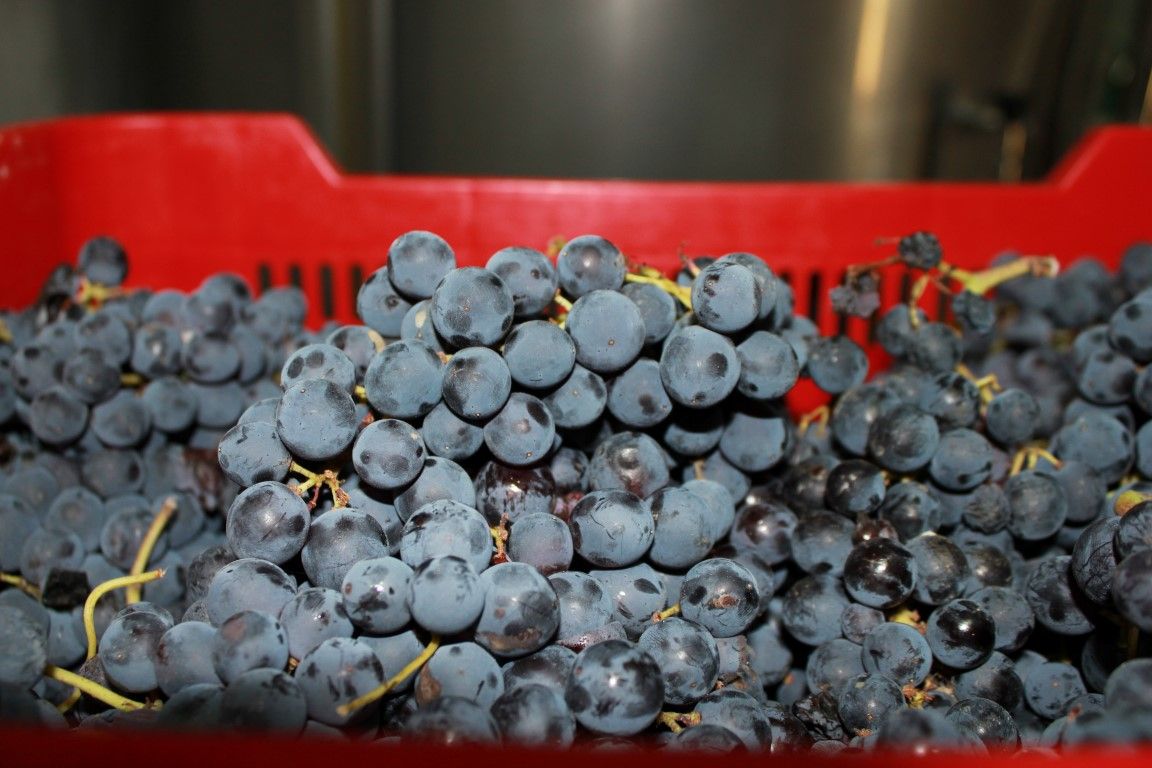
It always starts with meticulous work in the field itself, paying close attention to the vines to get the best fruit, tracking the ripeness of each variety to decide the optimum picking moment, with a hand harvest, in 12-kilo crates, sorted twice: once on the vine and again at the winery.
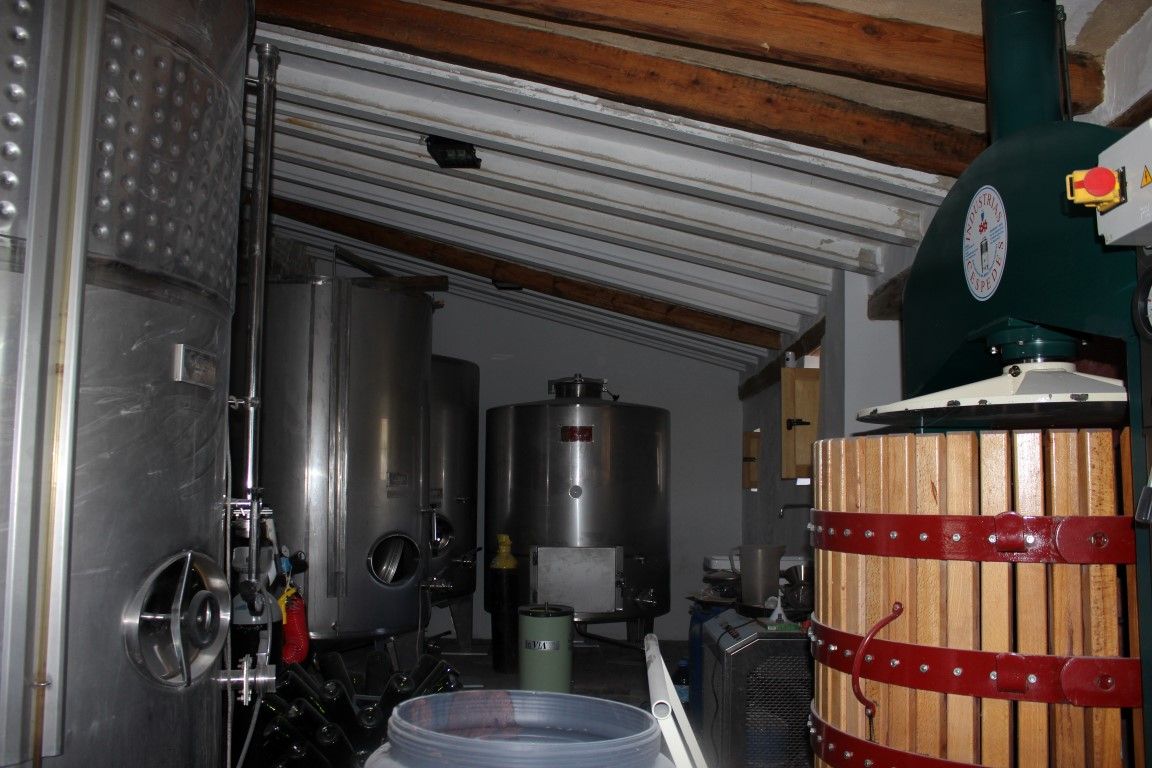
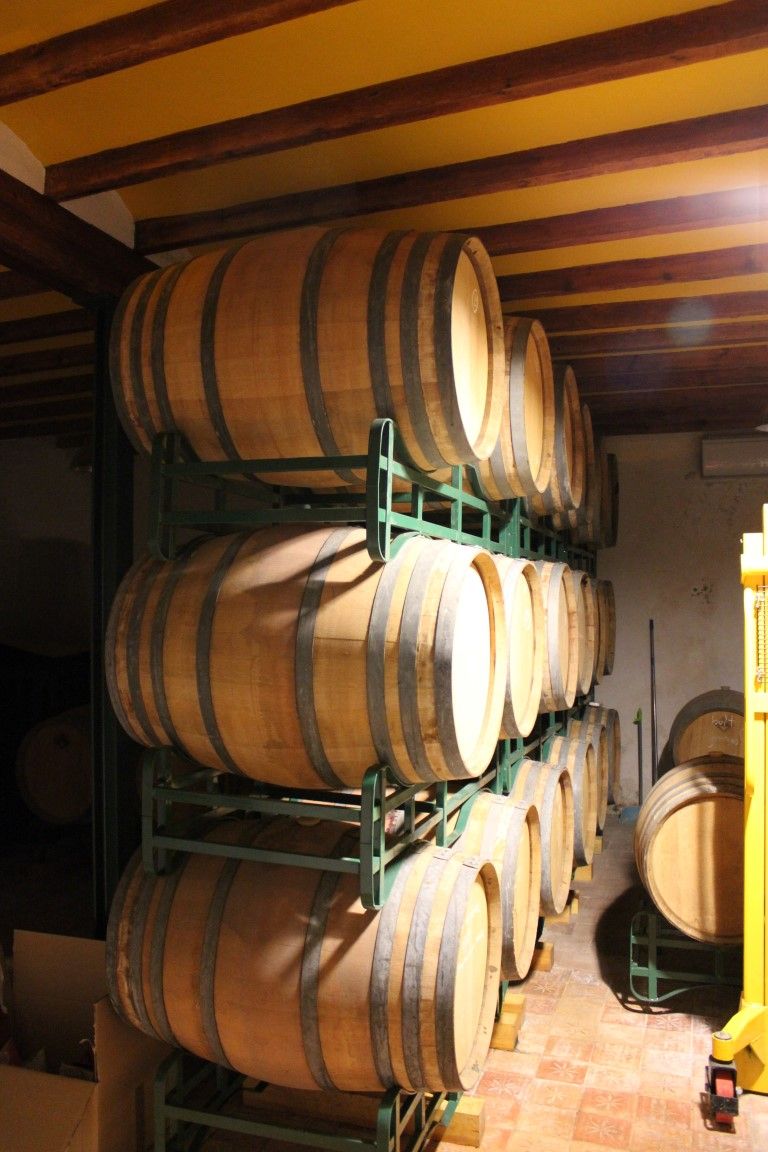
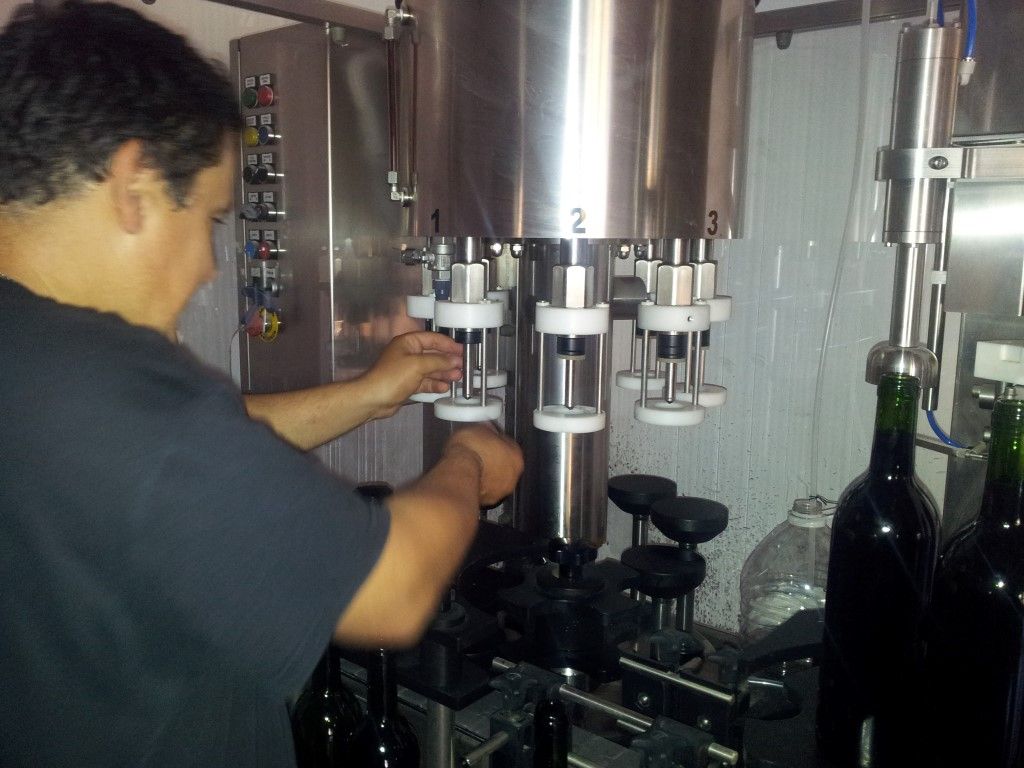
The same philosophy carries through into winemaking: grapes of the highest quality need no additives in the process (yeast, proteins, enzymes, bacteria...). So fermentation happens with native yeasts, with no added commercial yeasts, nutrients or corrections — in line with the philosophy of natural wine, and achieving the fullest expression of the terroir and the native varieties in the finished wine.
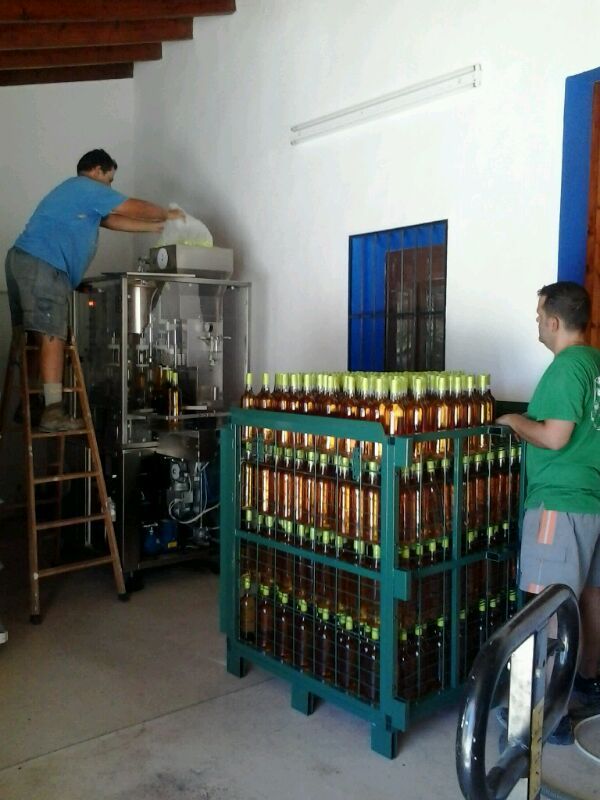
We can say we've swapped chemical treatments for physical ones, far more respectful of the raw material. The resulting wines — Nimi, a dry white from Moscatell, and Terra Fiter, an aged red from the Giró and Tempranillo varieties — are good examples of this way of understanding viticulture.
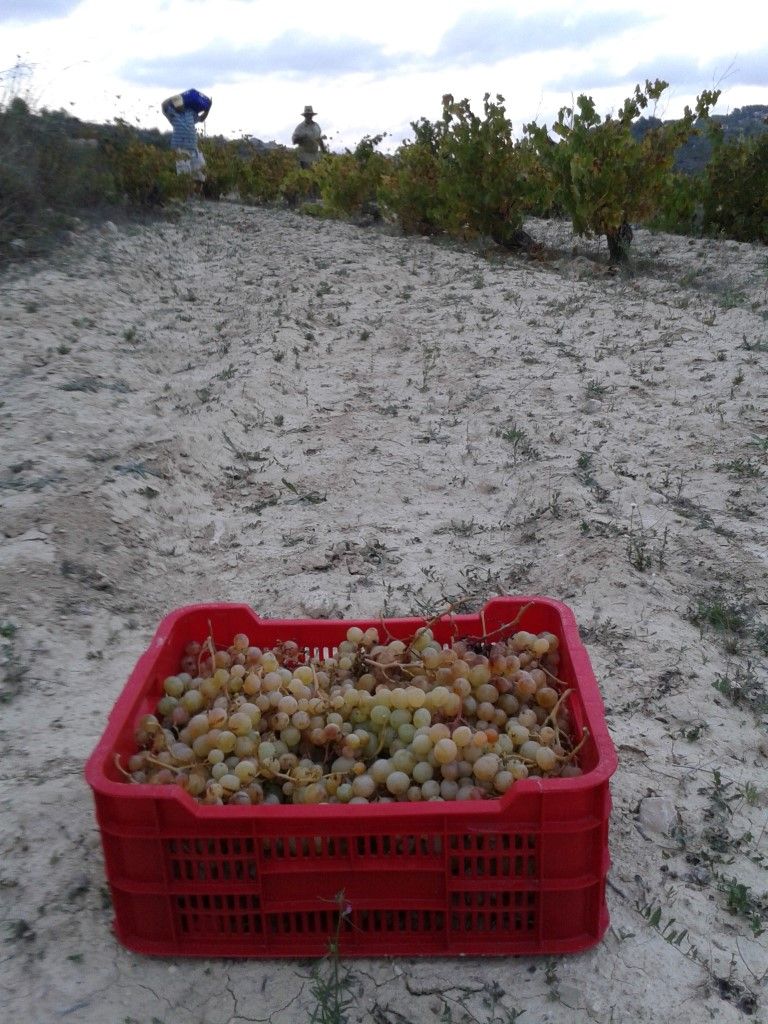
We care for the air, the soil and the wildlife, treating the vineyard as one more part of its surroundings — not as a crop isolated from them.
No added commercial yeasts or bacteria: we let each grape ferment with its own native yeasts.
Neither in whites nor in reds. The quality of the grape determines the result, with no need to correct it.
Wines that faithfully represent their native varieties, their land and their climate — before anything else.